
Best Milk for Iced Coffee (What Actually Tastes Good Cold)
Last updated on May 25th, 2026 at 03:04 pm
With spring rolling in and summer not far behind, there is no better time to start bringing iced coffee back to the table. I love iced coffee. This is also the time my Nespresso machine finally gets to work again after sitting around most of the year doing almost nothing, probably collecting more dust than glory.
The problem is that iced coffee doesn’t forgive much. Hot coffee can hide a milk that is too thin, too heavy, or a little off. Once the drink is cold, that changes. The wrong milk stands out fast. It can make the coffee taste watery, dull, or strange halfway through the glass.
I started testing different milks a few years ago, not only for iced coffee but for hot coffee too. Part of it was taste, and the other was trying to cut back on whole milk.
What mattered more in the end was simple: how the milk actually behaved in the drink.
So this guide on the best milk for iced coffee is about that. Which milks stay smooth, which ones separate, and which ones still taste good once the ice starts melting.
Which Milk Should You Actually Choose? (Quick Guide)
If you don’t want to overthink it, here is the short version. Pick the one that matches the iced coffee you enjoy drinking. If you want the fuller breakdown, keep reading after the table.
| What You Want | Best Milk Choice | Why It Fits |
|---|---|---|
| Balance | Whole milk | Creamy, steady, and does not get in the coffee’s way too fast |
| Dairy-free without much compromise | Oat milk | Smooth texture, mild sweetness, usually easier to like cold |
| Light and lower-calorie | Almond milk or skim milk | Keeps the drink lighter, though it can feel thinner over ice |
| Rich and creamy | Half-and-half | Adds body fast and works well with stronger coffee |
| Something different | Coconut milk | More noticeable flavor, better if you want the milk to change the drink |
What Makes a Milk Work Well in Iced Coffee?
With iced coffee, the question isn’t what milk you’re using. It’s more about how it behaves once it hits something cold, bitter, and full of ice.
A milk can seem fine in hot coffee, then turn flat, watery, or slightly strange the second it goes into a glass with melting ice and a metal straw clinking against the side.
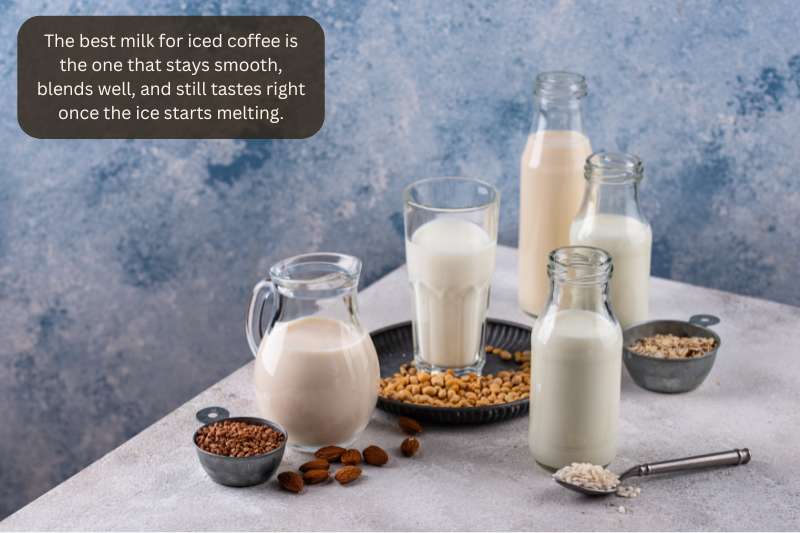
Balance Between Richness and Lightness
If the milk is too rich, the coffee starts feeling weighed down. Too light, and the drink loses shape fast. Good milk for iced coffee lands somewhere in the middle. Enough body to make the drink feel smooth. But not so much that the coffee disappears underneath it.
Ability to Blend
Some milks mix in quietly. Others separate almost right away, with one part tasting sharp and the next pale and thin. That matters more in iced coffee because you can see it happening. A streaky glass isn’t always a disaster, but it is rarely a great sign.
Flavor Compatibility With Cold Coffee
Cold coffee doesn’t soften things the way hot coffee does. If the milk has a strong flavor, you notice it immediately. Sometimes that works. Sometimes it tastes like the coffee and the milk met for the first time in the glass and had no plans to cooperate.
Texture Over Ice
Ice changes the mouthfeel of everything. A milk that seemed creamy enough in the carton can feel thin once it is diluted and pulled through cold coffee. I have had iced coffees that tasted fine, but felt so weak they might as well have been made in a hurry and handed over in one of those sweating plastic cups with the cheap flat lid.
Sweetness Level
Some milks bring a little natural sweetness. That helps because cold drinks tend to mute sweetness and leave bitterness hanging around longer. Others need help. And if the milk is already sweetened, that changes the drink too. Sometimes in a good way, sometimes like you’re drinking dessert with coffee somewhere in the background.
Whole Milk (The Safest, Most Balanced Option)
Whole milk has always been my favorite. I drank a lot of milk when I was a kid, so that fuller taste still feels familiar to me in a way the others don’t.
These days, I usually prefer something lighter. But when I want iced coffee that just works without some strange surprise halfway through the glass, whole milk is still the one I trust most.
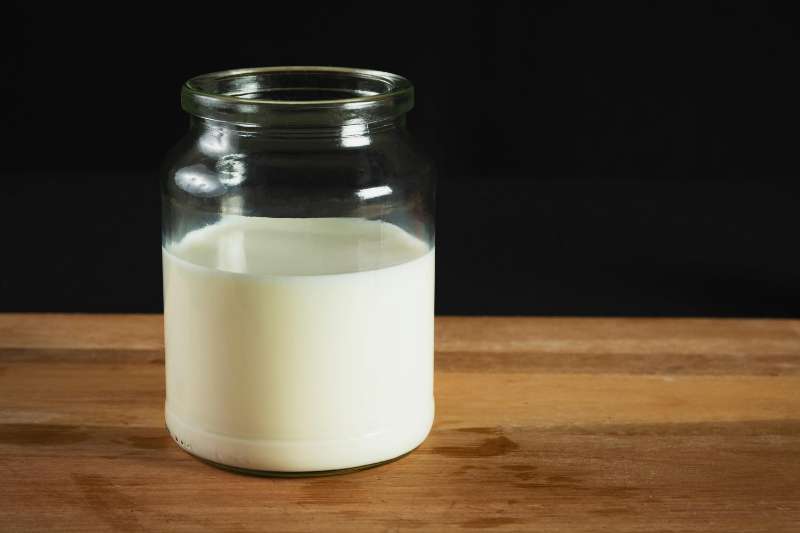
It is creamy without getting too heavy, which is harder to pull off in cold coffee than people think. Some milks thin out too fast over ice. Others step all over the coffee.
Whole milk lands in the middle. It softens the drink, gives it a smoother body, and still leaves the coffee tasting like coffee.
I also like how easily it blends. The drink stays more even, without pale streaks in the glass or one sip tasting sharper than the next. That matters more with iced coffee because cold drinks show their flaws faster. You see them, and then you taste them. Whole milk is not the most interesting option, maybe. But it is usually the most reliable.
Best for:
- Classic iced coffee, cold brew, iced lattes
- Beginners who want something reliable
Oat Milk (Smooth, Slightly Sweet, and Easy to Like)
I always liked oatmeal and cookies too, to a slightly embarrassing degree. There was a time I could finish a whole package without thinking much about it. So when oat milk started showing up everywhere, I didn’t need much convincing. The taste already felt familiar.
What works here is the texture. Oat milk often has a softer, rounder feel that makes iced coffee seem smoother without making it heavy. It also has a little sweetness that helps when cold coffee tastes sharper.
Oat milk takes the edge off without making the whole glass taste dessert-y, unless you picked one that’s been sweetened half to death.
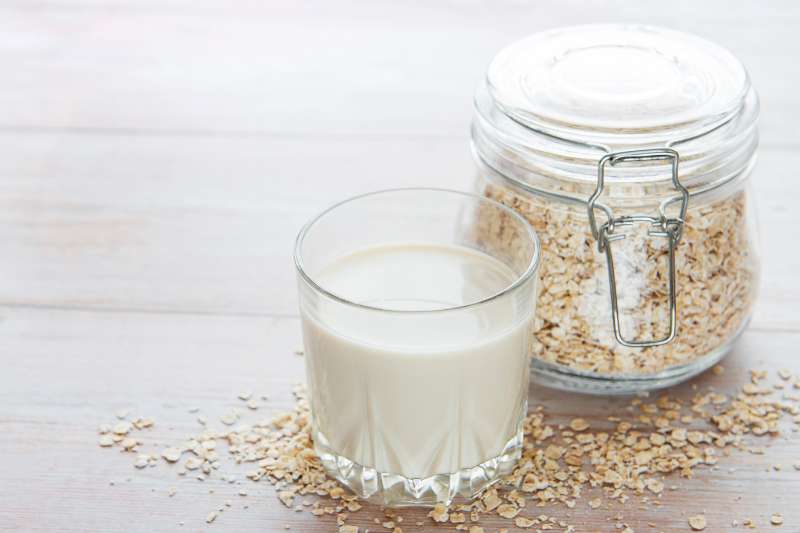
It also tends to separate less awkwardly than some other non-dairy options. The better ones stay more even in the glass, especially when the coffee and the milk are still cold.
I recommend “Barista versions” here. A popular one is Oatly Barista Edition, which is made for coffee and includes added fat compared with simpler oat milks, so you get a fuller feel in the drink.
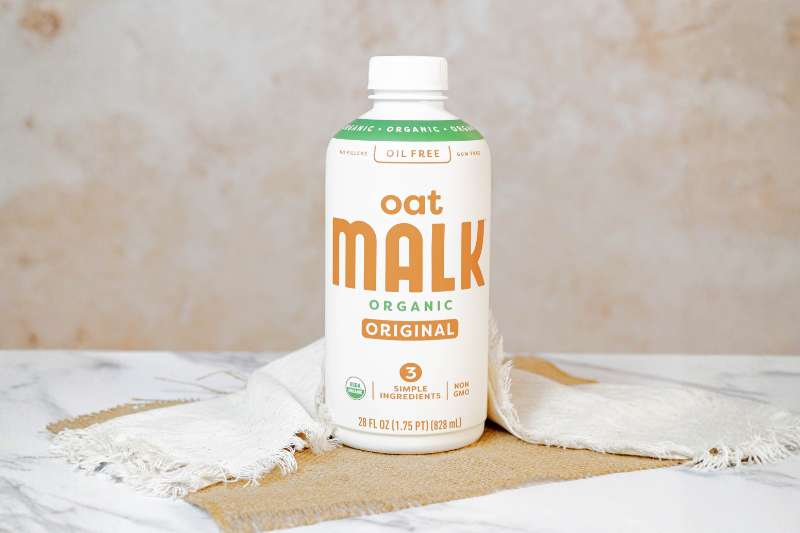
If you want something with a shorter ingredient list, MALK Original Oat Milk keeps it very simple with filtered water, organic oats, and Himalayan pink salt. That is more my speed now. Some oat milks have ingredient lists that start sounding like a chemistry quiz, and I lose patience halfway through.
Best for:
- Iced lattes
- People who want dairy-free without compromise
Almond Milk (Light, but Can Feel Thin)
Almond milk makes sense to me straight away because I already like the taste. Is there anything better than eating toasted almonds? I doubt it. If you are like me, almond milk isn’t a hard sell. The problem isn’t the flavor by itself. The problem is what happens after ice gets involved.
It is light, which some people want on purpose. If you are trying to keep the drink lower in calories or you don’t enjoy anything too creamy, almond milk can work.
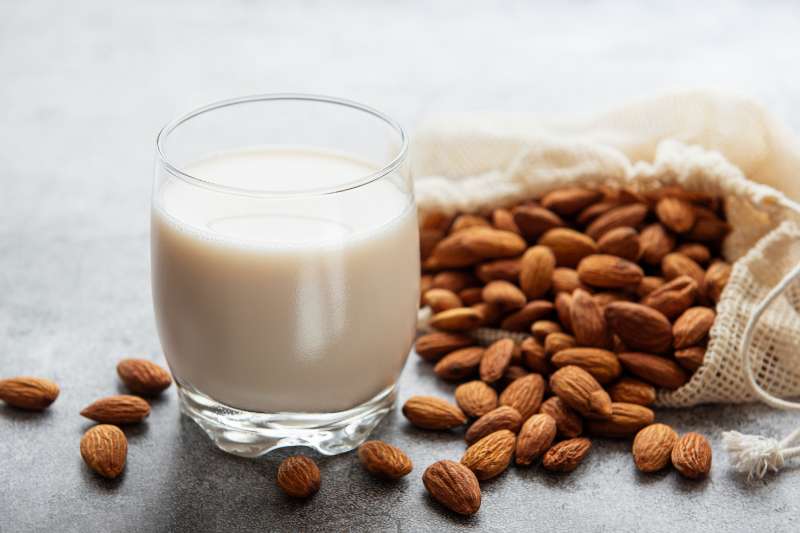
It keeps the coffee feeling cleaner and slightly sharper, too. But that same lightness is what makes it miss sometimes. Over ice, especially in weaker coffee, it can start to taste thin.
It is also more likely to separate than whole milk or a good oat milk. That is less of a problem in flavored drinks, where vanilla, caramel, mocha, whatever you added is already doing part of the work.
In those, almond milk can make more sense because it brings a light nutty note without needing to carry the whole drink on its own.
If you want one that behaves a little better in coffee, Califia Farms makes an Unsweetened Almond Barista Blend. If you care more about fewer ingredients, MALK’s Unsweetened Almond Milk keeps it very simple.
Best for:
- Lighter iced coffee
- People prioritizing low calories
Coconut Milk (Refreshing, but Noticeable Flavor)
I have to be honest with this one. I prefer coconut milk on its own. In coffee, especially iced coffee, it can feel a little strange. Not bad exactly. Just very present. Still, taste is taste, and some people really enjoy that kind of thing. Maybe it floats your boat a bit.
Coconut milk doesn’t come in quietly. It brings a slightly tropical flavor, and once the coffee is cold, that flavor stands out even more. Sometimes that works well, especially with cold brew, where the coffee is smoother and less sharp to begin with.

The texture depends a lot on which coconut milk you use. The thinner carton versions can feel weak over ice, like they showed up late and underprepared.
Canned coconut milk is richer, though it can be too much if you pour it like regular milk. If you want something safer, the barista-style versions are better.
What coconut milk adds is taste. It really changes the drink. If you want the milk to sit quietly in the background, this probably isn’t it.
If you are making something sweeter, colder, maybe with vanilla or brown sugar, or one of those syrup bottles we all forget to be careful with, then coconut milk starts to make more sense.
Best for:
- Summer-style iced drinks
- Flavored or sweet coffee
Skim & Low-Fat Milk (Clean but Lacking Body)
Skim and low-fat milk are fine. Though I wouldn’t call them exciting in iced coffee. They keep the drink light. If you already know you don’t enjoy anything too creamy, this can make sense straight away. The problem starts when the ice begins doing what ice always does.
These milks don’t add much weight, so the drink can feel a little hollow as it gets colder and more diluted. Not always bad. Just thinner than you hoped.
I’ve had iced coffees with low-fat milk that tasted clean enough at first, then halfway through the glass started tasting like water with some coffee left in it.
That is really the trade here. You get a lighter texture, a cleaner feel, and less richness sitting on top of the coffee. But you also lose some body, and cold drinks notice that fast. Hot coffee can cover for it a little.
Still, if all you want is a simple iced coffee that stays light and doesn’t feel creamy, skim or low-fat milk can do the job.
Best for:
- Simple iced coffee
- Those avoiding richness
Heavy Cream & Half-and-Half (Rich but Easy to Overdo)
If I could drink this kind of thing all day without regretting it later, I probably would. I like heavy cream. Too much, maybe.
You know when someone is making whipped cream and there is still some left in the bowl, thick and cold, and you take a big spoon straight from the side before it even makes it to the dessert. That same instinct shows up here.
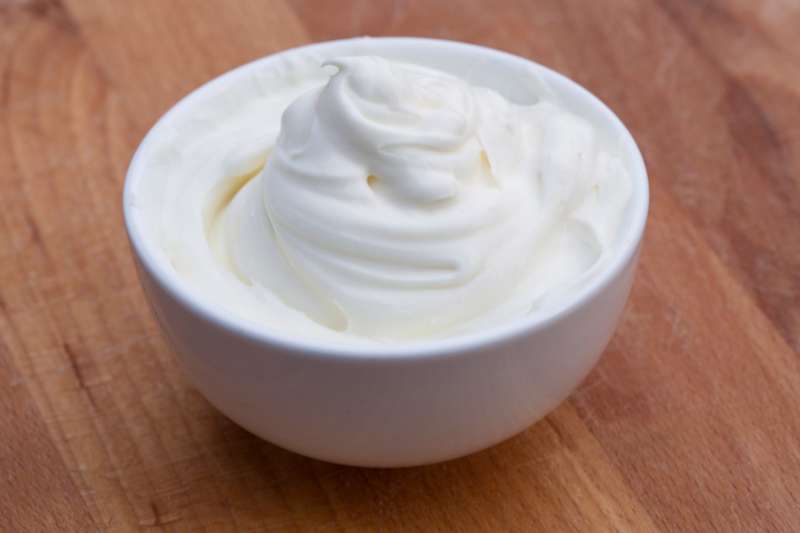
Heavy cream and half-and-half make iced coffee feel fuller and smoother straight away. The texture changes almost instantly, though the coffee needs enough strength behind it.
A bold cold brew can handle that richness. A weaker iced coffee, not so much. Sometimes it just gets buried.
That is really the thing with these. You don’t need much. A small splash can make the drink feel rounded and creamy. A little more than that, and suddenly the coffee starts fading into the background while the cream takes over.
Half-and-half is easier to manage. Heavy cream is better when you want that thick, rich mouthfeel on purpose and already know where to stop, which I don’t always, if I’m being honest.
Best for:
- Strong iced coffee
- People who like bold, creamy drinks
Simple Tips to Make Milk Taste Better in Iced Coffee
After a bit of trial and error, and more than one iced coffee that tasted closer to cold brown water than anything I meant to make, a few things started standing out.
Use Colder Milk
This sounds too simple to matter, then it matters. Cold milk holds the drink together better. When the milk goes in already chilled, the whole thing stays tighter for longer instead of turning loose and tired the minute the ice starts melting.
Make the Coffee Strong Enough
A lot of bad iced coffee isn’t really bad milk. But the coffee doesn’t have enough kick. Ice knocks the edges down fast. So if the coffee starts out thin, the milk finishes the job. Cold brew usually handles milk better for that reason. It has a little more weight behind it.
Shake or Stir It Properly
Plant-based milks in particular need a proper shake before they go anywhere near the glass. Then stir the drink like you mean it. Not one lazy spin and done. If the milk is a little prone to separation, iced coffee will show that to you straight away.
Use Barista Versions When You Can
This helps more than people think. Oatly Barista Edition and Califia Farms Barista Blends are both made with coffee in mind. If you are grabbing something easy at the supermarket, Oatly, Califia Farms, and Silk are all common enough starting points.
Sweeten Before the Ice Waters It Down
If you want the drink sweet, do it before the ice has a chance to flatten everything. Sugar and other sweeteners dissolve better before the coffee gets fully cold, which is part of why iced coffee can taste dull even when you added enough.
Last Thoughts
Milk can change an iced coffee more than people expect. The difference might be in the flavor, the texture, or just how the drink feels once it is cold.
For me, that is commonly where the difference shows up most. More on whether I actually want to keep drinking the glass once the ice starts melting and the coffee settles a bit.
I’d be curious to know what milk you like best in iced coffee, and why. Leave your answer in the comments. Sometimes the best combinations are the ones other people swear by first.
Questions? We Have Answers.
Get answers to a list of the most Frequently Asked Questions.