Best Coffee Beans for Super Automatic Machines
Last updated on March 3rd, 2026 at 04:03 pm
This week I’ve been deep in super automatic espresso mode. Testing shots. Switching settings. Cleaning brew groups. The whole thing.
And every time I press that single button and watch a cappuccino appear like magic, I’m reminded why people love these machines. It feels effortless. It grinds, tamps, and brews.
But here’s the part nobody talks about enough.
Even when the machine does everything for you… the espresso can still taste off.
Thin, slightly bitter, flat. Or just not as impressive as you expected.
That’s usually when people start adjusting grind settings, strength levels, and temperature. Perhaps, even blaming the machine itself. But sometimes it’s something far simpler… the beans.
Super automatics are consistent, yes. But they’re also calibrated for a certain type of coffee. The wrong roast level, overly oily beans, or beans too light and dense can throw everything off. And because you can’t manually control pressure or dose like on a semi-automatic, the machine can’t “compensate” the way a barista would.
That’s where the frustration starts.
In this guide, we’re going to break down what works when choosing the right coffee beans for super automatic machines, roast levels, origins, freshness, what to avoid, and why certain beans cause watery shots or grinder issues. Once you understand how bean choice interacts with how these machines brew, everything becomes simpler.
Key Takeaways
Medium Roast Wins Most of the Time: Super automatic machines perform best with medium or medium-dark roasts. They extract more easily, produce better crema, and don’t stress the internal grinder.
Avoid Oily & Ultra-Light Beans: Very dark, shiny beans can clog grinders. Ultra-light roasts often extract thin and sour. Both are common causes of watery or inconsistent espresso.
Freshness & Compatibility Matter More Than Origin: Look for whole beans, visible roast dates (ideally 7–21 days post roast), and espresso-focused blends. The right coffee beans for super automatic machines are about balance and compatibility — not chasing the most exotic tasting notes.
Quick Answer: What Beans Work Best in Super Automatic Machines?
If you just want the straight answer without the deep dive, here it is.
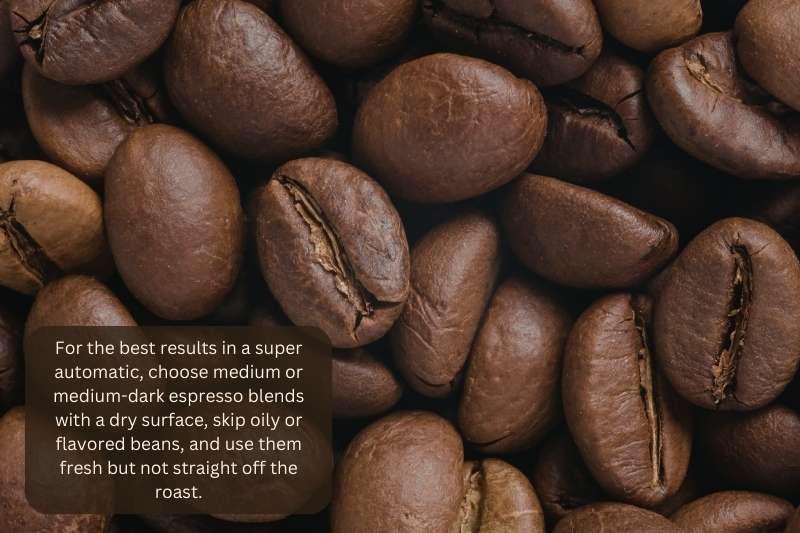
Medium or medium-dark roast. Dry surface and not shiny. Espresso blends instead of ultra-light single origins. Fresh, but not straight out of the roaster. Somewhere in that 7 to 21-day window tends to work best.
And please… skip the oily, super dark beans and anything flavored. That’s the short version.
Why is that?
I learned this the slightly stubborn way. When I first got into super automatics, I assumed “better beans” meant lighter, trendier and more complex. I bought a beautiful, light single-origin that smelled like berries and florals. It was fantastic as a pour-over.
In my super automatic? Thin, sour and fast extraction.
I kept adjusting grind settings, strength, and cup size. Nothing fixed it. The machine wasn’t broken. But it wasn’t built to handle that density and acidity profile easily.
Calibrated for a Narrower Range
Super autos perform better with beans that extract predictably. Medium and medium-dark roasts have enough solubility to work with the preset pressure and brew cycles. They build crema more easily. They produce body without fighting the grinder.
Low surface oil matters more than people realize. Shiny beans look rich, but that oil transfers into burrs and brew groups. I’ve opened machines that smelled slightly stale inside because of heavy oil buildup. Not great.
And flavored beans?
I know they’re tempting (with hazelnut, vanilla, and caramel flavors). But those added oils coat internal components over time. It’s a maintenance headache waiting to happen.
Freshness is another subtle one
Too fresh, with only 2 or 3 days post-roast, can produce unstable extraction because of excess CO₂. You’ll see sputtering and uneven crema. Let them rest a bit.
So if you want fewer grinder issues, better crema, and less frustration, stick to the basics. Medium roast. Dry surface, espresso blend. Fresh, but not too fresh. These simple rules work.
Want better espresso at home? A reliable machine makes all the difference.
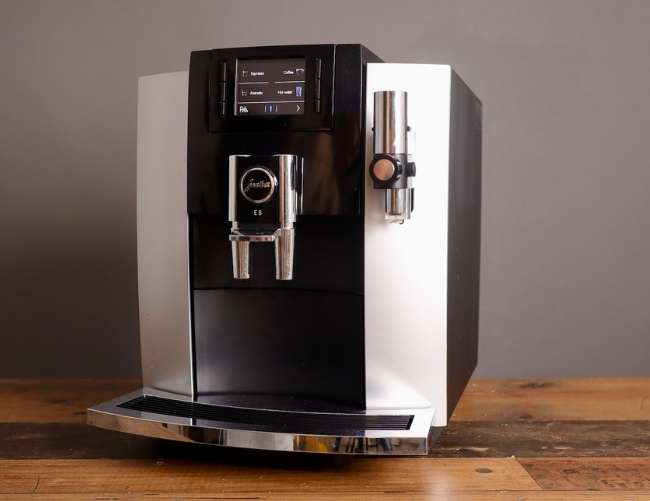
8 Best Super Auto Espresso Machines (2026)
Want café-quality espresso at the push of a button? We break down the top super automatic machines — comparing espresso taste, milk systems, ease of use, and long-term value.
Why Super Automatics Are Sensitive to Bean Choice?
Well, unlike a manual espresso setup, you don’t get to play barista. You can’t adjust pressure on the fly. You can’t easily change the dose by half a gram. But you don’t have the wide grind spectrum you’d get with a standalone burr grinder.
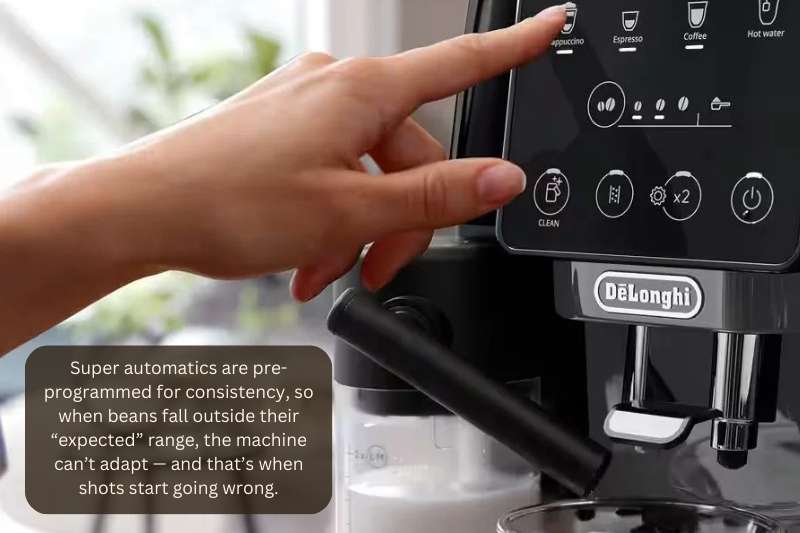
The extraction cycle is pre-programmed.
I remember switching from a semi-automatic machine to my first super automatic and thinking, “This will be easier.” It was until I tried using the same light roast I loved before. On my manual machine, I could extend the shot, tweak the grind, and adjust temperature. On the super auto? I was stuck inside its comfort zone.
That’s the key.
These machines are engineered around a certain resistance in the puck. A certain density of bean. A certain roast solubility. When the bean doesn’t match those assumptions, the machine can’t compensate much.
- If the bean is too dense, extraction runs thin.
- If it’s too oily, the grinder gums up.
- If it’s too fresh, the crema goes wild and unstable.
And since dose and pressure are mostly fixed, you end up blaming the machine instead of the beans. Super-automatic espresso machines are about convenience and consistency. But consistency works both ways. They reward predictable beans. This means the bean has to match the machine and not the other way around
Roast Level — The #1 Factor
We already touched on this earlier, but roast level deserves its own moment. Honestly, if there’s one thing that makes or breaks a super auto experience, it’s this. Not the milk, or even the grind setting (though that matters too). But roast level.
Medium Roast (Best Overall)
If you want the safest bet, medium roast wins. Almost boringly so. Balanced sweetness, gentle acidity, and a crema that holds together instead of vanishing after ten seconds. When I pull a shot with a medium roast, it smells slightly caramel-like warm, round, and inviting. Not sharp or smoky.
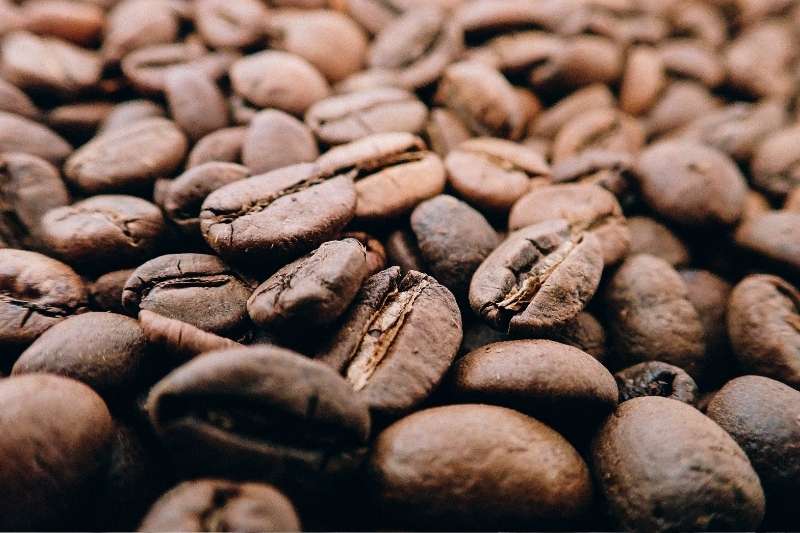
It also behaves well under automatic pressure systems. That’s key. Super autos are calibrated within a certain extraction range, and medium roast sits comfortably inside it. No fighting the machine or channeling surprises.
And with milk drinks? It blends beautifully. Cappuccinos taste smooth, not bitter or burnt. Best for 90% of people or maybe more.
Medium-Dark Roast (For Richer Flavor)
Now, if you like your espresso a little heavier, this is where things get interesting.
Medium-dark gives you more body. More chocolate notes. Sometimes a hint of toasted nuts. The crema tends to be thicker and darker-looking.
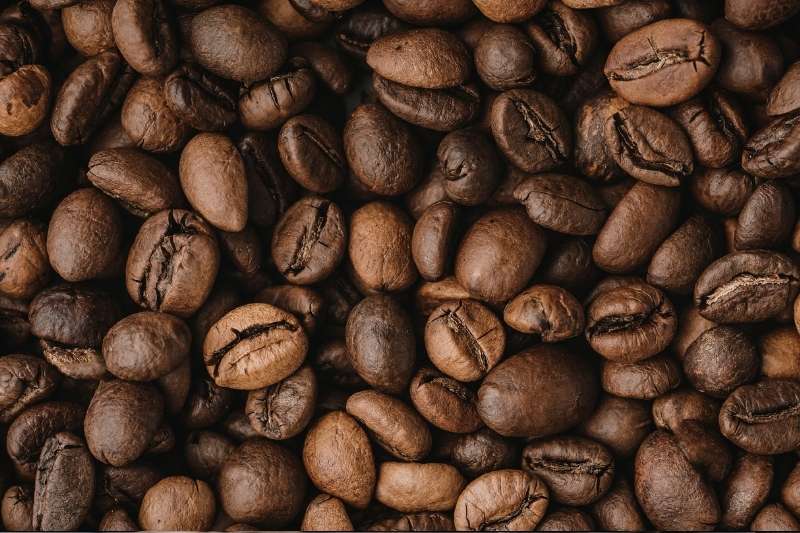
I go through phases with this one. On colder mornings, I crave that deeper profile. It feels grounded and strong without being harsh. Just don’t push too dark. There’s a line.
Light Roast (Often a Mistake)
Light roasts are denser and harder. My grinder actually sounded different, slightly strained, higher-pitched. Extraction tends to run thin in super automatics because they don’t reach the pressure finesse or temperature control needed to fully pull out those bright acids properly.
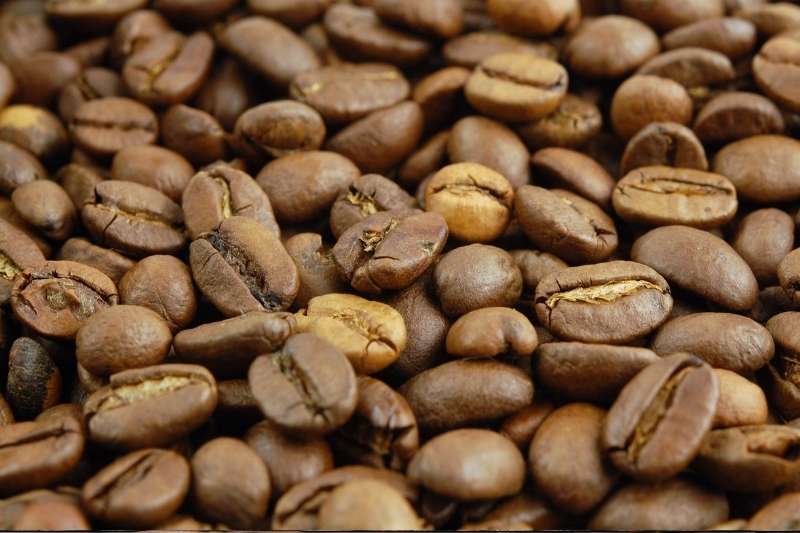
So you get sour, sharp, kind of hollow shots. Not always. But often enough that I stopped experimenting.
Very Dark / Oily Beans (Avoid)
You know those shiny beans that look like they’ve been polished? They smell smoky, almost charred. They also leave oil everywhere.
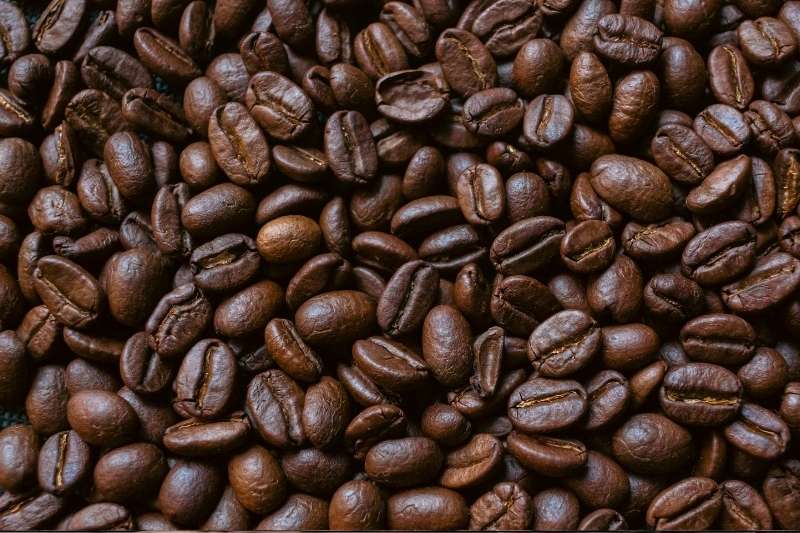
Inside burr grinders and the brew group. On internal pathways you can’t see. Oily beans are one of the most common causes of grinder and buildup issues in a super automatic espresso machine. The extra residue means more frequent cleaning… and more long-term stress on components.
Dark isn’t always bad. But shiny-dark? That’s usually trouble.
Best Bean Origins & Brands for Super Automatics
When people ask which country’s coffee works best in a super automatic, what they’re really asking is: Which origin won’t fight my machine? That’s a better question.
Because technically, any origin can work. But some are easier and more forgiving.
Brazil
Single-origin Brazilian coffees like Brazil Cerrado or Brazil Santos tend to be low in acidity with chocolate and roasted nut notes. They extract smoothly and build crema easily. I’ve had solid results with brands like Volcanica Brazil Cerrado or Fresh Roasted Coffee Brazil Santos. They’re not flashy but reliable. And in a super automatic, reliable wins.
Colombia
Medium roast Colombian beans often bring caramel sweetness and balanced body. Not too sharp or too flat. I’ve used Illy Classico (which is a blend but leans toward that Colombian-style profile) and also straightforward Colombia Supremo from local roasters. In milk drinks? Beautiful. The sweetness cuts through without turning sour.
Guatemala
Cocoa, a bit of spice, slightly more complexity but still controlled. Guatemala Antigua or Huehuetenango medium roasts from brands such as Volcanica tend to work well. I once ran a Guatemalan medium roast through my super automatic for about two weeks straight. No grind adjustments. That says something.
Sumatra
Heavy body, earthy and low acidity. But, and this matters, stick to medium roast. Too dark and oily, and you’ll create grinder buildup issues. Starbucks Sumatra (their medium version) or other medium-roasted Indonesian beans can produce thick, bold espresso if that’s your thing.
Here’s the pattern I’ve noticed over time.
Origins that lean toward chocolatey, nutty, and low-acid usually work best with super-autos. Bright citrus-heavy coffees can taste amazing in manual setups. But they’re less forgiving when extraction is pre-programmed.
Quick Buying Checklist
If you’re standing in front of a wall of coffee bags wondering which one won’t sabotage your super automatic… here’s the quick filter I use. Before buying beans, check:
| ☑ Medium or Medium-Dark Roast | Extracts more easily with preset pressure systems and produces stable crema |
| ☑ Dry Surface (Not Shiny) | Oily beans can clog internal burr grinders and increase residue buildup |
| ☑ Roast Date Visible | Freshness affects crema and flavor balance (ideally 7–21 days post roast) |
| ☑ Espresso-Specific Labeling | Blends designed for espresso extract more consistently |
| ☑ Whole Bean Only | Pre-ground coffee doesn’t work properly in built-in grinders |
I know it’s tempting to grab whatever smells good through the valve (we’ve all done that). But those five checks eliminate most watery espresso problems before they even start.
Notes: When in doubt, choose simple over exotic (hocolate, nut, or caramel tasting notes). Usually, they behave better than bright citrus or floral profiles in automatic machines.
When It’s NOT the Beans?
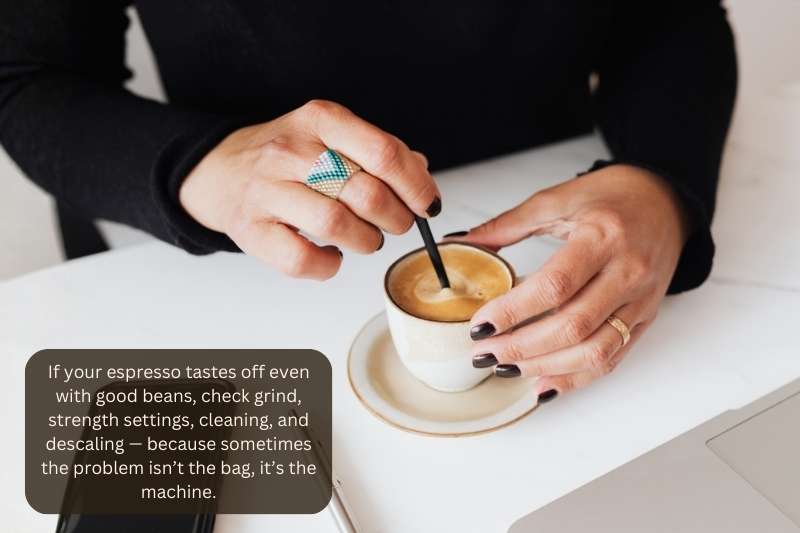
Okay, let’s say you did everything right. You bought a proper medium roast with a dry surface. Roast date checked. And your super auto still tastes thin or bitter. Before you throw the bag away… pause. Because sometimes it’s not the beans.
Grind Settings
I once blamed a whole bag of perfectly good Colombian beans when the real issue was that I had accidentally bumped the grinder one click coarser while refilling the hopper. One click. That was it. The shots went from syrupy to fast and pale.
Strength setting
On many machines, if you run a cleaning cycle or reset something, it quietly defaults back to “mild.” I’ve had mornings where I thought my espresso tasted weaker, only to realize the machine had lowered the dose internally. Same beans but different strength setting. Completely different cup.
Cleaning
Coffee oils build up, brew groups get sticky and internal pathways collect residue you can’t see. If your espresso tastes flat or slightly sour around the edges, it might not be extraction. Instead, it might just be buildup.
Descaling
Scale affects heat transfer and pressure stability. If your machine hasn’t been descaled in a while, extraction can become inconsistent even with perfect beans. The difference isn’t always dramatic but subtle. Slightly thinner body, less crema. Hard to describe until you fix it.
Here’s the truth
Bean choice is critical. It’s probably the biggest variable in a super automatic. But it’s not the only variable.
If you’ve chosen good beans and still get bad espresso, step back and check the fundamentals. Grind. Strength. Cleaning. Descaling. Sometimes the bag isn’t the problem.
Last Thoughts
If you’ve found a bean that works beautifully in your super automatic, I’m curious what it is? Drop it in the comments. I’m always testing new options, and chances are someone else is looking for the same recommendation. Sometimes the upgrade isn’t a new machine. It’s just a better bag.
Questions? We Have Answers.
Get answers to a list of the most Frequently Asked Questions.