5 Best Super Automatic Espresso Machines Under $1000
Last updated on March 30th, 2026 at 04:22 pm
I remember a conversation with a friend who loved good coffee but had absolutely zero interest in becoming a home barista. No tamping rituals. No fiddling with grind size at 6:30 in the morning. Just press a button and get a decent cappuccino. Honestly… a lot of people feel the same way.
That’s exactly why super-automatic espresso machines exist.
But here’s where things get awkward. The moment someone starts researching them, they run into machines like the Jura E8. Incredible machine, no doubt. Beautiful espresso, silky milk drinks, one-touch everything. Then they see the price around $3,000, and the excitement cools fast.
That’s usually the moment people assume good super-automatics are expensive luxury appliances.
Not quite.
The reality is that some of the best super-automatic espresso machines today sit well under the $1000 mark. They still grind fresh beans, brew espresso automatically, and handle milk drinks with very little effort. No barista training required.
So, here are five machines that prove you don’t need a $3k budget and a few of them might surprise you.
What to Look for in a Super Automatic Machine Under $1000?
Before choosing a machine, it helps to slow down for a minute and look at what matters. Many super automatics advertise long drink menus or shiny touchscreens. Those things are nice. But usually you’ll find more important features.
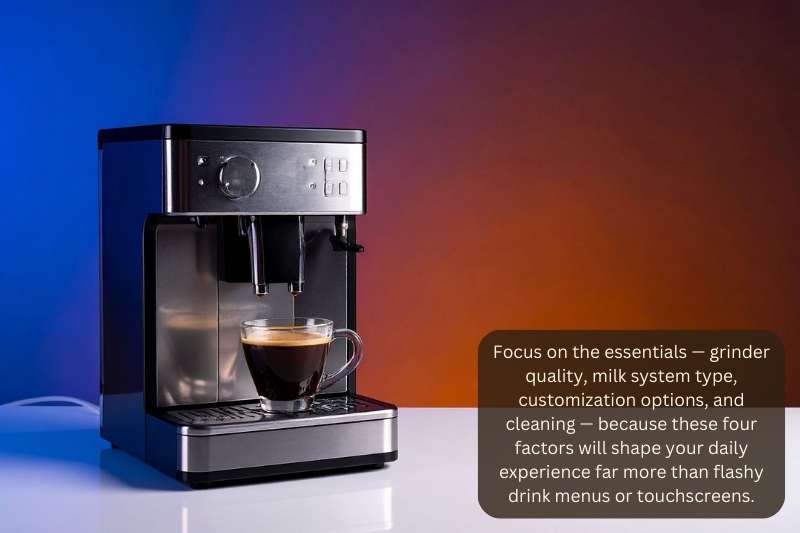
Grinder
Most machines in this price range use either ceramic or steel burr grinders. Ceramics run quieter and stay a bit cooler while grinding. Steel burrs are tougher and extremely common.
Neither option is automatically better; what matters more is how many grind settings the machine gives you. A few extra steps can make the difference between a flat espresso and something that tastes balanced.
Milk system
Automatic milk carafes handle most of the work for you. Press cappuccino, wait a few seconds, drink appears. Convenient, no question. But those systems also introduce more parts that need cleaning.
Steam wands sit on the opposite side of that trade-off. A little more involvement, control over foam texture, and fewer tubes hidden inside the machine.
Customization
Not every machine gives you the same level of control. Strength settings, drink size adjustments, and temperature options may sound like small features.
But they change how flexible the machine feels once it’s part of your routine. Being able to tweak the cup slightly often matters more than having twenty preset drinks you never touch.
Cleaning
A removable brew group makes periodic rinsing much easier. Automatic rinse cycles help keep internal parts clear. Milk systems, whether manual or automatic, will still need attention.
None of these features is particularly flashy on a spec sheet. But together they decide whether a super auto feels effortless… or slowly becomes something you start avoiding.
5 Best Super Automatic Espresso Machines Under $1000
Here are five machines that balance convenience, espresso quality, and price surprisingly well in the sub-$1000 range.
Best balance of espresso and convenience
Rating:
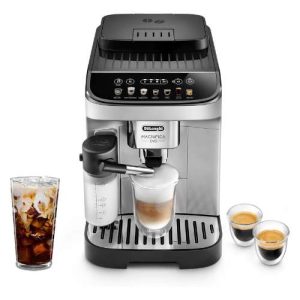


1 – De’Longhi Magnifica Evo
This machine is simple! You add beans, fill the water tank, press a drink button, and the machine takes care of the rest. No fuss, which is the whole point of a super automatic.
Inside the machine there’s a conical burr grinder with 13 settings, and while I’m not someone who obsessively adjusts grind size every morning, it’s nice knowing the range is there if the beans demand it.
Some mornings I tweak it a notch finer, mostly out of curiosity. Sometimes it helps. Sometimes the difference is subtle enough that I just shrug and drink the coffee anyway.

The drink menu is simple but practical: espresso, coffee, Americano, iced coffee, long coffee, and steam. Nothing overly flashy, just the stuff people actually drink. The color icons on the control panel make it easy to navigate without digging through menus, which sounds minor until you’re half awake and squinting at the machine.
Milk drinks require using the traditional frother wand rather than a fully automatic milk system. I actually don’t mind that. It takes a little longer. But it also gives you a bit more say in the texture, especially if you like thicker foam or want to experiment with plant milks.
Cleaning is one of those areas where the Magnifica Evo earns points. The brew group is removable, parts are dishwasher safe, and the machine reminds you when it needs attention.
It’s not the most advanced super automatic on the market, and it doesn’t pretend to be. What it does well is balance convenience, reliability, and espresso quality.
And honestly… that matters more than spec sheets.
Easiest milk system to clean
Rating:
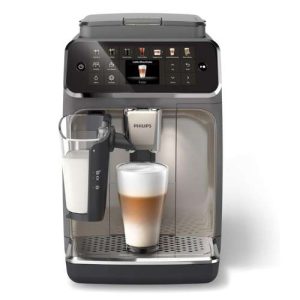
2 – Philips 4400 LatteGo
Some machines focus mostly on espresso. Others clearly lean toward milk drinks. The Philips 4400 sits firmly in the second category, as you can see from the LatteGo system attached to the front.
Instead of the typical milk tubes and internal hoses many super automatics rely on, LatteGo uses a simple container that snaps together in two pieces. That’s it. No hidden milk lines running through the machine, which already removes half the cleaning frustration people complain about.
You pour milk in, attach the container, and the machine handles the steaming and frothing automatically. When you’re done, the entire piece rinses in seconds. Dishwasher, if you want or run it under the tap and move on.
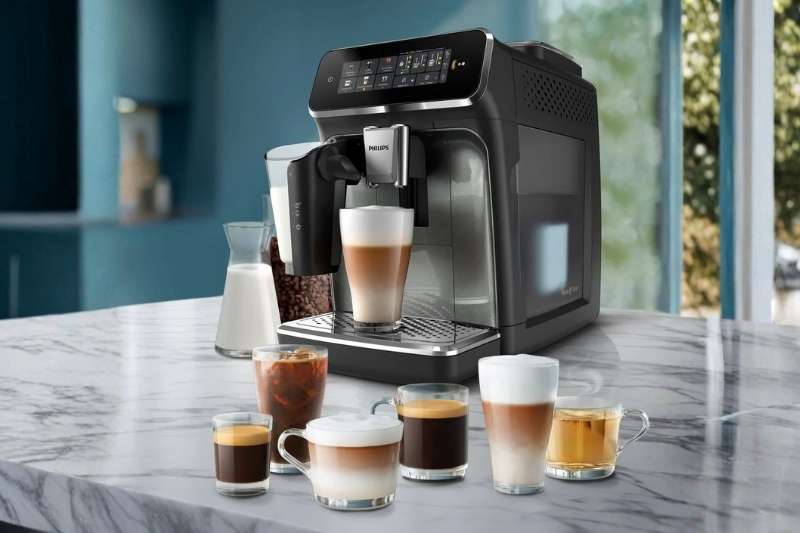
The LatteGo system is genuinely one of the easiest milk setups I’ve seen on any super automatic. Not “easy for a super automatic.” Just easy.
The machine itself offers twelve drink presets, such as espresso, coffee, cappuccino, latte macchiato, iced coffee, and a few others. The color display walks you through the options, and the adjustments are simple: strength, drink size, milk level. Nothing buried in confusing menus.
Inside, the 4400 uses a ceramic burr grinder. Ceramic grinders are quieter and stay cooler during grinding. That might sound like a small thing, but early in the morning the difference is noticeable. Noise matters more at 6 a.m. than most people admit.
Philips also added SilentBrew sound shielding to soften the grinding noise. It’s still a grinder; it won’t disappear entirely. But the machine doesn’t rattle the whole kitchen either.
Then there’s the AquaClean filter system. With the filter installed, Philips claims you can brew thousands of cups before descaling. Whether that’s a genuinely great feature or a clever way to sell filters depends on how cynical you are.
Either way, for people who drink cappuccinos and lattes regularly, the 4400 removes a lot of friction from the daily routine.
Excellent espresso customization options
Rating:
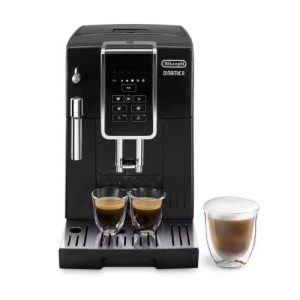
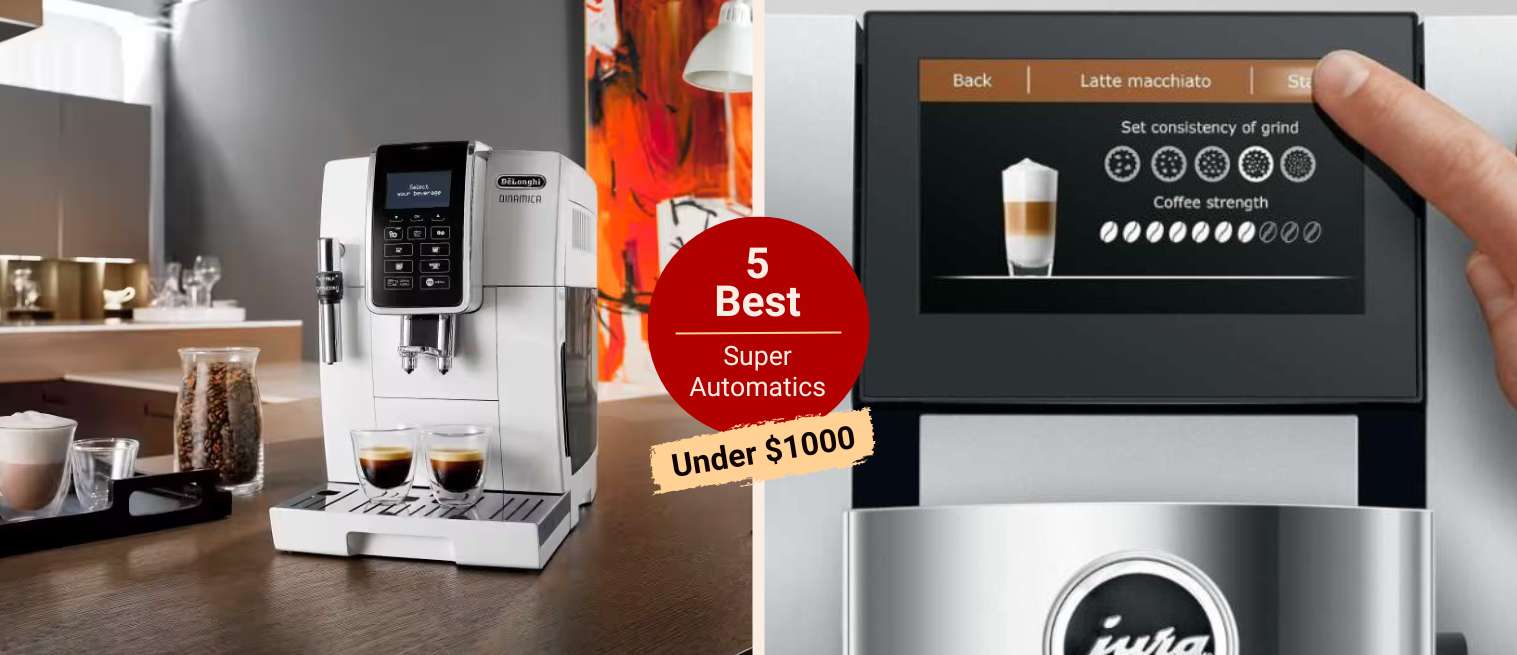
3 – De’Longhi Dinamica
The De’Longhi Dinamica sits in a slightly different lane than many super automatics under $1000. Some machines in this range chase long drink menus or flashy milk systems. The Dinamica seems more interested in getting the coffee side right first.
One thing that immediately stands out is the steel burr grinder with 13 grind settings. That’s more adjustment than many machines in this category offer. Beans behave differently depending on roast level and freshness. So having that range makes it easier to dial things in instead of being stuck between “too fast” and “too slow.”
The brewing system also uses pre-infusion, gently soaking the coffee puck before full pressure kicks in. It’s a small step. But one that gives you a smoother extraction, rather than water rushing straight through the grounds.
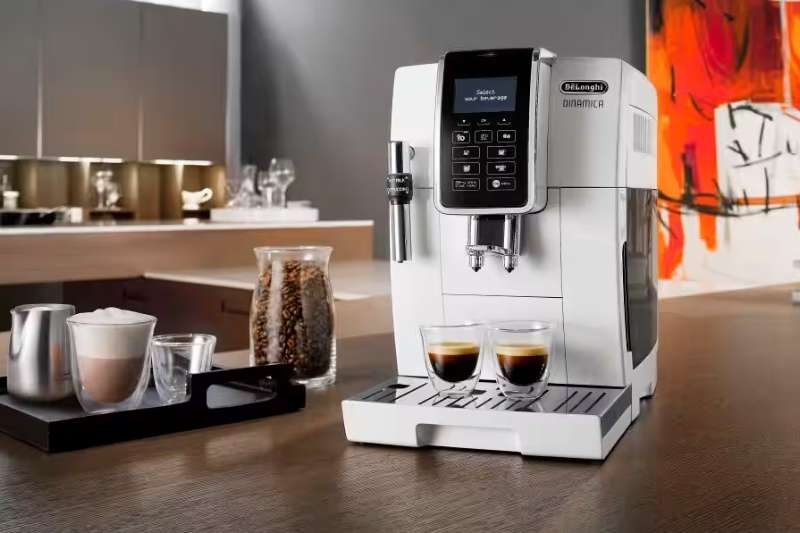
The Over Ice program lets you brew coffee over ice without ending with a diluted drink. Here, the machine adjusts the process, lowers the temperature, and controls extraction. So the coffee holds its body.
Speed helps too. The machine heats up in roughly 40 seconds, which keeps the morning routine moving instead of making you stand there waiting for the boiler.
Customization is simple. Five strength levels, adjustable drink sizes, and the ability to fine-tune grind settings depending on the beans you’re using. Enough control to make adjustments, without burying everything inside complicated programming menus.
Cleaning stays manageable as well. The brew unit comes out, the drip tray can go straight into the dishwasher, and the machine runs rinse cycles automatically when it powers on or shuts down.
The Dinamica isn’t trying to overwhelm you with drink presets. Its personality shows up elsewhere: a flexible grinder, solid extraction, and a useful Over Ice function that many machines still ignore.
Smart connectivity and app control
Rating:
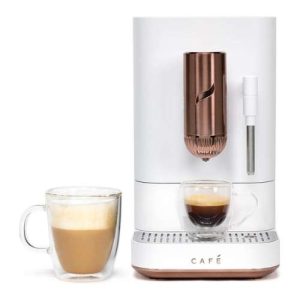
4 – Café Affetto Automatic Espresso Machine
The Café Affetto sits in an unusual spot among super automatics under $1000. It doesn’t try to win on the number of drinks or the fanciest milk system. Instead, it leans into something different: connectivity and customization.
This is one of the few machines in this range that connect to Wi-Fi and talk to an app. Through the SmartHQ app, you can adjust drink volume, strength, and tweak recipes that would normally be locked into the machine. I tend to like that sort of control.
Not everyone will bother opening the app after the first setup. But if you enjoy adjusting things even a little, it’s genuinely useful.
Brewing itself is quick. From pressing a button to espresso in roughly 90 seconds, which keeps the machine feeling responsive instead of sluggish. The extraction system uses a short pre-infusion phase before ramping up pressure to about 20 bars.
It’s meant to bloom the coffee first, then extract evenly. When the grind is dialed in, the espresso comes out balanced and surprisingly solid for a machine in this price range.
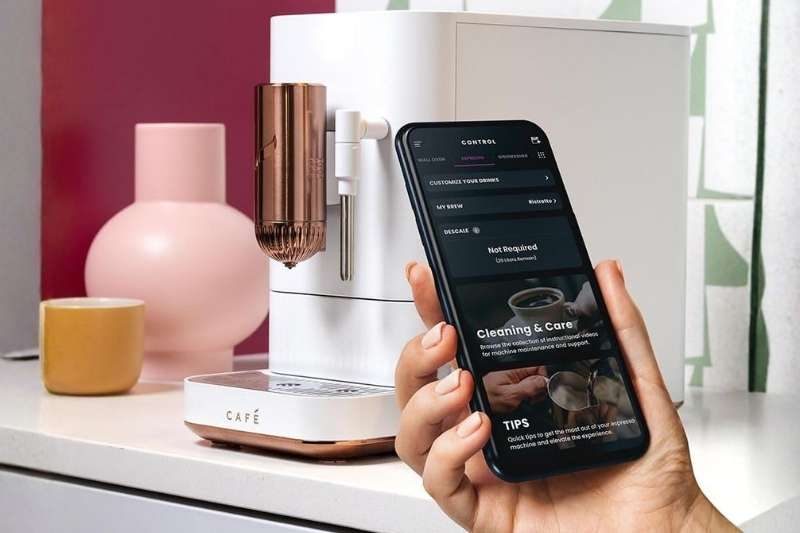
The built-in conical burr grinder has five grind settings. That’s not a huge range, but it covers the basics. Once you land on the right setting for your beans, the machine tends to stay consistent from cup to cup.
Milk drinks rely on a traditional steam wand rather than a fully automatic carafe system. That means a little more involvement.
You’ll use the included frothing pitcher and texture the milk yourself. I actually like that approach here. It gives you more control over foam, and it avoids the cleaning complexity that fully automatic milk systems sometimes bring.
Cleaning is simple because most of the pieces come out. The drip tray, waste bin, and brew components are removable. The magnetic drip tray design makes emptying everything less awkward than it sounds on paper.
The Affetto stands out mainly for its smart connectivity. If you enjoy tweaking drinks or saving custom recipes through an app, it offers something most machines under this price simply don’t.
Compact design with classic espresso focus
Rating:

5 – Gaggia Brera
The Gaggia Brera seems designed for people who don’t have much counter space. That becomes obvious the moment you look at it. Most super automatics are wide, tall, and heavy-looking. The Brera stays compact, which makes it easier to fit into smaller kitchens.
Despite the size, it still includes the essentials: a built-in ceramic burr grinder, a removable brew group, and push-button controls with simple LED icons. Nothing flashy. But the layout makes sense.
The grinder itself is ceramic, which tends to run quieter and generate less heat during grinding. That matters more than it sounds. Heat during grinding can dull flavor slightly, especially with darker beans, so cooler grinding is generally a good thing.

Milk drinks rely on a classic Panarello steam wand. It’s not a fully automatic milk system. That means you’ll be steaming milk manually using the wand and the hot water function when needed.
Some people actually prefer this setup. It gives you more control over foam texture and avoids the extra tubing and cleaning that automatic milk carafes bring.
The Brera uses what Gaggia calls Rapid Steam Technology. In simple terms, the machine heats quickly and transitions between brewing and steaming without much delay.
Cleaning is simple too. The drip tray, dregs drawer, and water reservoir all slide out from the front of the machine. You don’t need to pull the unit off the counter just to empty grounds or refill water.
The Brera isn’t trying to be the most advanced super automatic. It leans toward simplicity, compact design, classic controls, and good espresso without taking up half your counter.
Last Thoughts: Which Machine Should You Choose?
If I had to recommend one starting point, it would probably be the Magnifica Evo. It hits a comfortable middle ground. It has reliable espresso, simple controls, and doesn’t feel complicated the moment you turn it on. For most kitchens, that balance matters more than having the longest list of drink presets.
But the better question is how you drink coffee. If cappuccinos and lattes show up every morning, the Philips LatteGo machines take a lot of the hassle out of the milk side of things.
And if your priority leans more toward dialing in espresso itself, something like the Dinamica gives you a little more room to play with grind and strength.
That friend I mentioned earlier, the one who didn’t want to learn anything, ended up buying a super automatic. Presses one button every morning, gets a cappuccino, and moves on with the day. Which, honestly, is the whole point.